Skip to content
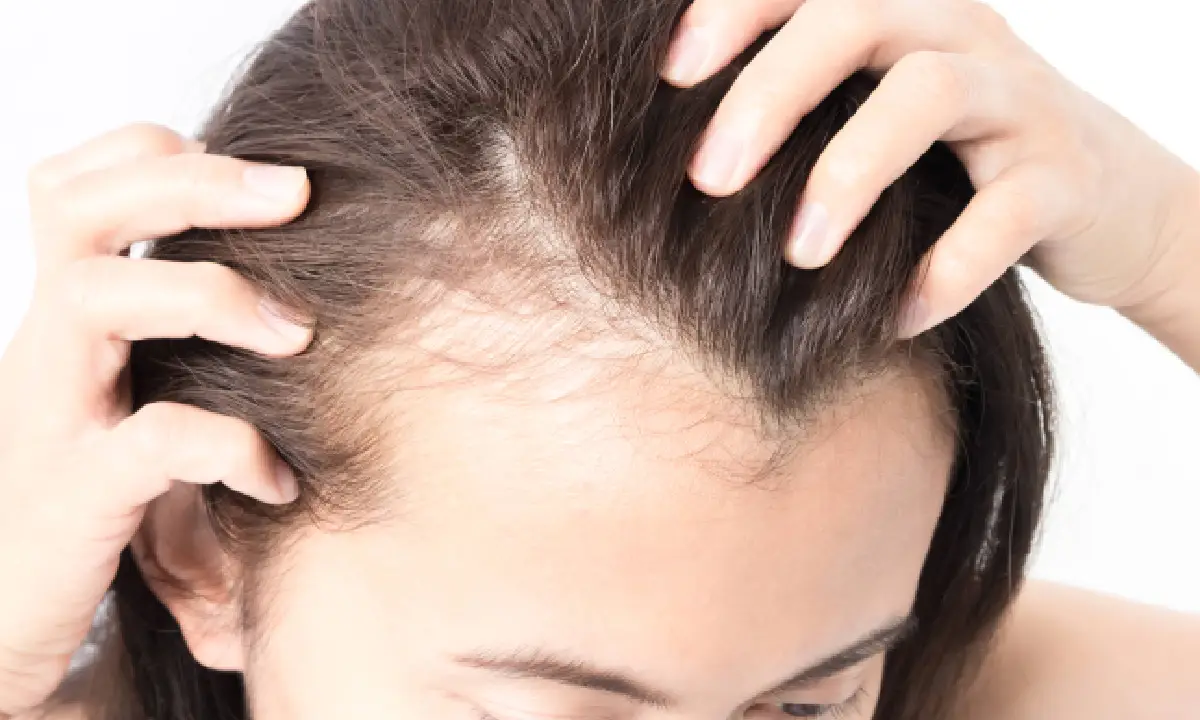
Table of Contents
Hair changes can be subtle at first. A slightly wider part, more strands left on the brush, or a ponytail that doesn’t feel as full as it used to. Over time, these small shifts can become more noticeable, leading many women to wonder what’s really happening.
At Pure Youth Wellness and Aesthetics, thinning hair is a concern that often raises questions not just about appearance but also about overall health. Many women want answers that go beyond surface-level fixes and help them understand the root cause before choosing a treatment.
What causes hair thinning in women?
Hair thinning in women can be caused by hormonal changes, genetics, stress, nutritional deficiencies, or scalp health issues that affect the hair growth cycle.
How Hair Thinning Happens Over Time
Hair growth follows a natural cycle that includes growth, rest, and shedding phases. When this cycle becomes disrupted, it can lead to noticeable thinning hair. Instead of new strands replacing those that fall out, the regrowth process slows down or weakens.
This change doesn’t always happen suddenly. For many women, it’s gradual and tied to internal shifts, such as hormonal changes, stress, or aging. Over time, hair may appear finer, less dense, or grow more slowly, which can affect both volume and overall texture.
Common Causes Behind Hair Thinning in Women
Several factors can contribute to hair thinning in women, and often it’s not just one cause but a combination of factors. Hormonal hair thinning in women is one of the most common reasons, especially during life stages like postpartum recovery or menopause. Changes in estrogen and other hormones can directly affect how hair grows and shedding.
Genetics also plays a role. If there’s a family history of thinning hair, it may influence how and when it appears. In addition, stress can disrupt the hair growth cycle, pushing more hair into the shedding phase than usual. Nutritional deficiencies are another factor to consider. Low levels of essential vitamins and minerals can impact hair strength and growth. Scalp health is equally important, as inflammation or poor circulation can limit how well hair follicles function.
The Role of Scalp Health in Hair Growth
Healthy hair begins with a healthy scalp. When the scalp environment is balanced, hair follicles are better able to produce strong, consistent growth. However, issues like buildup, dryness, or reduced circulation can interfere with that process.
Improving scalp health often involves both lifestyle adjustments and targeted treatments. By increasing blood flow and delivering nutrients directly to the follicles, it becomes easier to support natural regrowth. This is why many advanced treatments focus not just on the hair itself but on the scalp as a whole.
How Hair Restoration Treatments Support Thinning Hair
Addressing thinning hair often requires more than topical products. Modern hair restoration treatments focus on supporting the hair at a deeper level by targeting follicles and improving the overall growth environment.
Options such as PRP therapy use your body’s own growth factors to stimulate follicles and encourage healthier regrowth. Microneedling can help improve absorption and promote collagen production in the scalp. Treatments that include peptides or exosomes are designed to support cell regeneration and strengthen hair over time. These approaches are typically tailored to the cause of thinning, enabling a more targeted and effective plan.
Why Early Attention to Hair Thinning Matters
Catching thinning hair early can make a meaningful difference in how well it responds to treatment. When hair follicles are still active, they are more likely to respond positively to therapies designed to stimulate growth.
Waiting too long can allow the follicles to weaken further, making regrowth more challenging. This is why paying attention to early signs and seeking guidance sooner rather than later can help preserve hair density and improve long-term outcomes. Even small changes in routine or treatment can support healthier hair when addressed at the right time.
Who Is Most Likely to Experience Hair Thinning
Hair thinning in women can affect many people, but certain groups may be more likely to notice changes. Women in their 30s and beyond often experience gradual thinning due to hormonal shifts and natural aging processes.
Those dealing with high stress, recent hormonal changes, or underlying health conditions may also notice changes in hair density. Additionally, individuals with a family history of hair loss may be more prone to similar patterns. For women who prioritize overall wellness and want to maintain their appearance naturally, understanding these factors can help guide the next steps.
Supporting Hair Health Through Consistent Care
Managing thinning hair is often about consistency rather than quick fixes. Daily habits such as maintaining a balanced diet, reducing stress, and using gentle hair care products can all contribute to better hair health over time.
Professional treatments can enhance these efforts by targeting deeper causes of hair thinning. When combined with proper care, they help create an environment that promotes hair growth and maintains its strength. The goal is not just to improve appearance but to support the long-term health of both the hair and scalp.
A Thoughtful Approach to Thicker, Healthier Hair
Hair thinning can feel frustrating, especially when the cause isn’t immediately clear. Understanding what’s behind the change is the first step toward finding a solution that actually works. At Pure Youth Wellness and Aesthetics, treatments are designed to address the root causes of thinning hair while supporting natural regrowth. By focusing on scalp health and follicle stimulation, it becomes possible to improve both density and overall hair quality. If you’re ready to take the next step, Restore Thicker, Healthier Hair Today and explore a personalized approach to hair restoration that fits your needs.