Skip to content
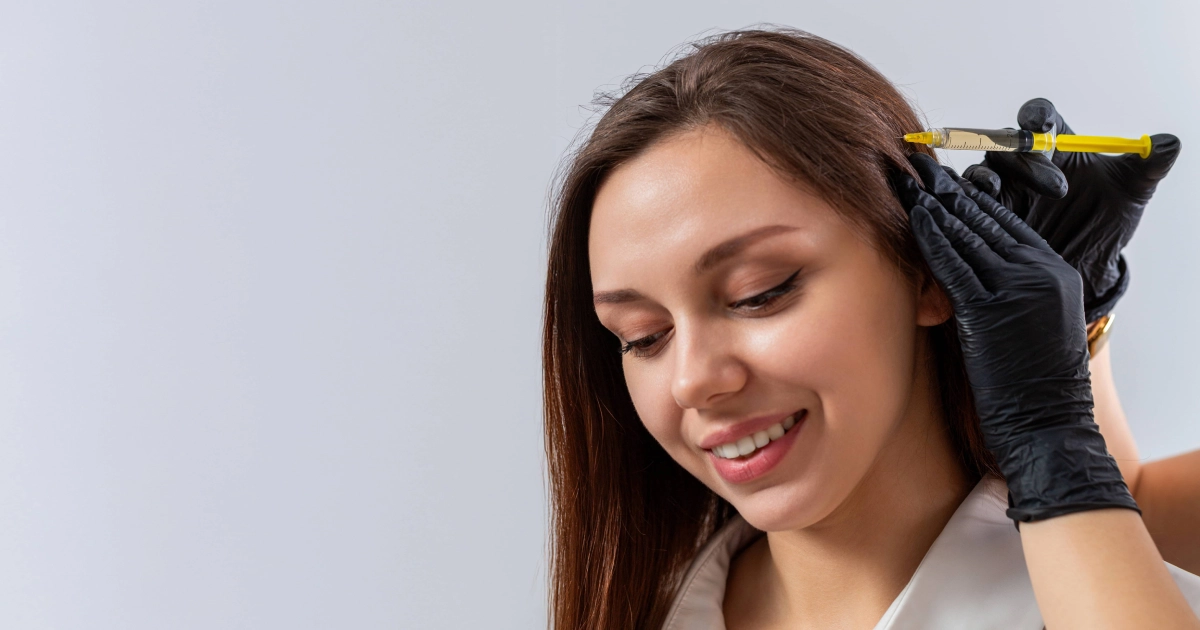
Table of Contents
If your hair feels noticeably thinner after a COVID infection, you are not imagining it. A lot of people report a sudden increase in shedding weeks or months after being sick, and it can be stressful, especially when it shows up in photos, under bright bathroom lighting, or when your ponytail feels smaller than it used to.
The good news is that this pattern is often temporary, and there are treatment options that can support healthier regrowth when your follicles need a nudge.
At Pure Youth Wellness & Aesthetics, we offer platelet-rich plasma therapy for scalp rejuvenation and can also combine PRP with microneedling, depending on your goals and what your scalp actually needs.
Why Hair Loss Can Happen After COVID
One of the most common patterns behind post-COVID hair loss is something called telogen effluvium. In plain terms, your body goes through a major stressor (fever, inflammation, disrupted sleep, appetite changes, emotional stress), and more hairs than usual shift into a “resting” phase. Then, a few months later, they shed all at once.
That time delay is what makes it feel confusing. You might be feeling better, then suddenly your brush and shower drain start telling a different story.
What It Usually Looks Like
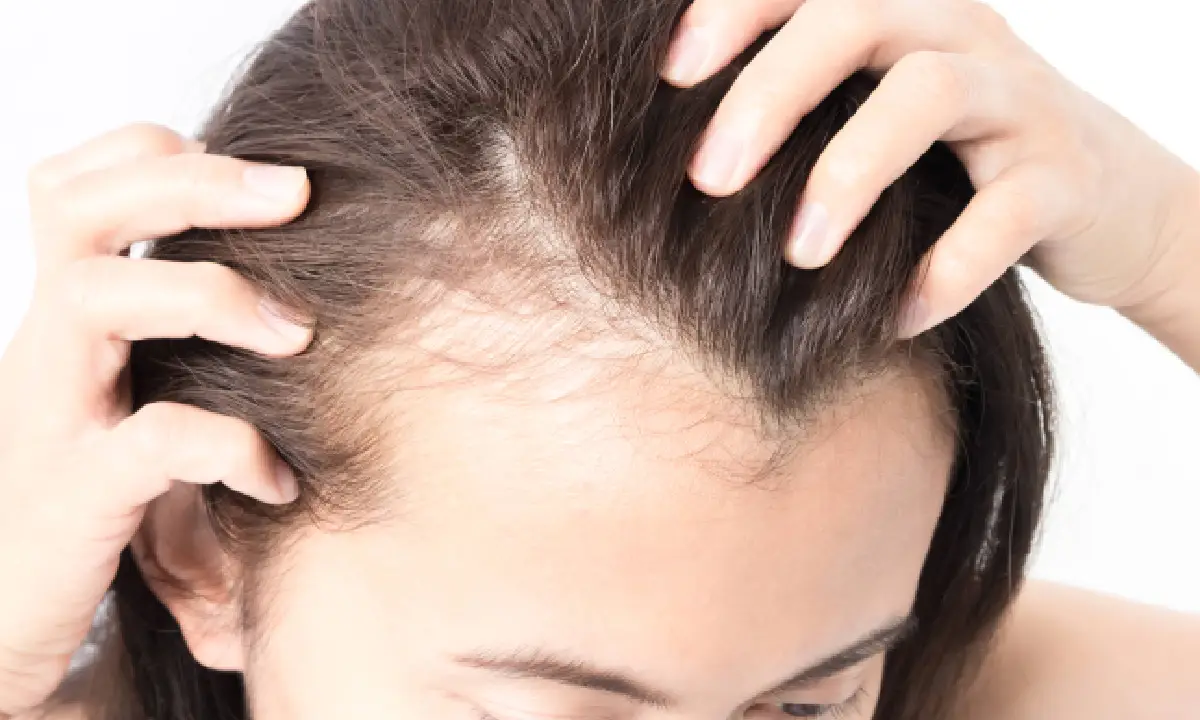
Post-viral shedding often looks like diffuse thinning, meaning it is spread out rather than limited to one small patch. But some people notice it most in specific spots, especially along the part line or at the top of the head. If you keep checking the mirror and your eyes go straight to your Thinning hair crown, you are in very familiar territory.
A few common signs patients mention:
- More hair on your pillow, in the shower, or when you run your hands through your hair
- A wider-looking part or scalp that seems easier to see in certain lighting
- Hair that feels like it lost density, even if you do not have bald spots
When You Should Get Checked First
Not all shedding after illness is only from the illness. If you are seeing ongoing thinning for many months, it is worth ruling out other contributors that can stack on top of post-viral shedding, such as low iron, thyroid changes, hormonal shifts, nutrition gaps, and high ongoing stress. A consultation with expert team is helpful because it lets us talk through your timeline, your health history, and what your scalp and hair actually look like right now.
How PRP Supports Scalp Rejuvenation
PRP stands for platelet-rich plasma. For aesthetic and scalp treatments, PRP is prepared from your own blood. We draw your blood during your visit, then process it in a centrifuge to separate the red blood cells from the PRP, which is rich in growth factors.
For hair concerns, PRP is used to support the follicles and help create a better environment for regrowth. Patients often describe the goal as “waking up” sluggish follicles and improving overall density over time. If you have been searching online for PRP for hair loss, this is the treatment people are usually talking about.
What A PRP Appointment Is Like At Pure Youth
We start by making sure you are a good candidate and clarifying whether your plan is focused on scalp rejuvenation, skin rejuvenation, or a combination approach.
Here is what you can generally expect:
- Everything is done in-office. You do not need to go to a separate lab for a blood draw.
- Time in the chair depends on your treatment plan. PRP injections can range from about 30 to 90 minutes, depending on what is included. PRP for scalp rejuvenation is about 30 minutes.
- If PRP is paired with microneedling, plan for about an hour. If injections are added to that, the visit can be closer to 1.5 hours.
- Comfort matters. A topical numbing cream is applied before microneedling or injections to reduce discomfort. Most patients describe it as mild to manageable.
Downtime And Aftercare
One reason PRP is popular is that downtime is usually straightforward, but it depends on what you do that day.
- If you are getting PRP injected into the face, Pure Youth recommends no makeup that day.
- If you do PRP with microneedling, downtime is typically about 42 to 72 hours.
- If you receive PRP scalp injections, you will want to avoid washing your hair or exercising until the next day.
You might have temporary redness or swelling at injection sites. Since PRP uses your own blood, the risk of adverse reactions is generally low, but a consultation is still important because certain conditions can make someone a poor candidate.
How Many Sessions Does It Take To See A Change?
Hair growth is not instant, so it helps to set expectations upfront. At Pure Youth, many people notice a difference after just one treatment, but for the best results, an ideal plan is often 2 to 3 treatments spaced about 4 to 6 weeks apart.
If your goal is Hair growth for thinning hair, consistency is usually the missing piece. One session can be a helpful start, but a short series tends to give follicles the repeated support they need.
Who Tends To Be A Good Candidate?
PRP is not a one-size-fits-all answer, especially when COVID-related shedding is mixed with genetics, hormones, or nutrient issues. In general, PRP tends to be most helpful when follicles are still present and capable of producing hair, but they have slowed down or become less productive.
During your assessment, we talk through:
- When the shedding started and how it has changed over time
- Whether you are seeing more shedding, more thinning, or both
- Your scalp health and any irritation or sensitivity
- Health factors that could be contributing
That evaluation is the best way to decide if PRP is the right next step or if you should address other factors first.
Want A Clear Plan For Your Hair Again?
Hair shedding after COVID can feel personal because it changes how you see yourself day to day. The best next step is figuring out what type of hair change you are dealing with, what is driving it, and whether your follicles simply need time or would benefit from added support. If you want a plan that is based on your timeline and your scalp, Start Your Hair Journey with Pure Youth Wellness & Aesthetics to talk through PRP scalp rejuvenation options and what a realistic treatment schedule could look like for you.