Skip to content
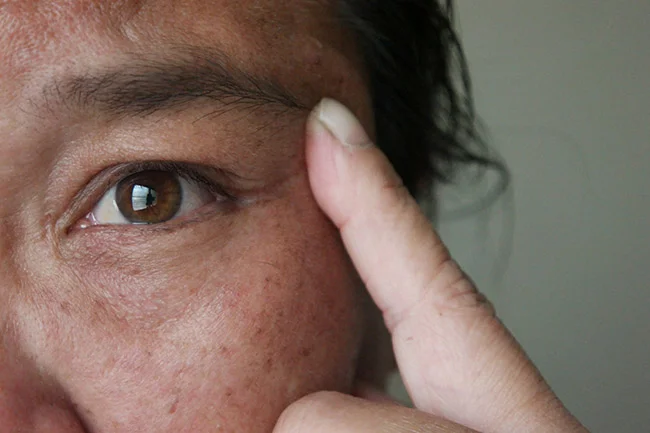
Melasma is a stubborn skin pigmentation condition that causes brown or grayish patches on the face. It is often linked to hormonal changes, sun exposure, and pregnancy.
Sometimes referred to as a “pregnancy mask,” this discoloration can be difficult to fade without resorting to professional help. If left untreated, melasma may linger for years.
At Pure Youth Wellness & Aesthetics, advanced treatment options are designed to target melasma at its source, helping restore a clearer, more even complexion and renewed confidence.
Understanding Melasma and How It Develops
Melasma occurs when melanocytes become overstimulated and begin producing excess melanin. Melanocytes refer to the cells responsible for producing pigment.
The excess pigment is deposited unevenly in the skin, creating visible patches that can deepen over time if left untreated. Sun exposure plays a significant role in triggering and worsening melasma. This is because ultraviolet light further stimulates pigment production.
One reason melasma is more prevalent in women is hormonal fluctuation. Estrogen and progesterone directly influence melanin production. Thus, it adequately explains why the condition is often associated with pregnancy, oral contraceptives, and hormone replacement therapy.
The stated connection highlights the causes of melasma in women, which often involve a combination of internal hormonal changes and external environmental factors.
Pregnancy and Skin Discoloration: What’s the Connection?
During pregnancy, hormone levels rise dramatically. One known objective is to support fetal development. These hormonal shifts can stimulate melanocytes, leading to pregnancy and skin discoloration that presents as melasma.
The condition typically develops during the second or third trimester. However, it may fade after delivery as hormone levels normalize.
That said, melasma does not always resolve on its own postpartum. In some cases, pigmentation remains long after pregnancy. It may even recur with subsequent pregnancies or sun exposure. This is why professional evaluation and treatment are often necessary, especially when discoloration persists for months or years.
Other Contributing Factors Beyond Pregnancy
Although pregnancy is a well-known trigger, melasma can also occur in women who are not pregnant.
- Genetics plays a crucial role. This suggests that individuals with a family history of melasma are more likely to experience it.
- Skin type is another factor. Here, medium to darker skin tones are more susceptible due to higher baseline melanin levels.
- Certain medications, including birth control pills and hormone-based therapies, can contribute to pigment changes.
- Chronic sun exposure without adequate protection further increases the risk. This reinforces the importance of daily sunscreen use as part of any melasma management plan.
Why Melasma Requires a Targeted Treatment Approach
Melasma is a complex aesthetic condition that affects several layers of the skin. Some pigment sits closer to the surface. On the other hand, deeper pigment resides in the dermis.
The layered nature makes melasma resistant to single-treatment solutions. Over-the-counter products may help maintain results, but they rarely address the root cause of pigment buildup.
Successful treatment requires a personalized approach. The latter considers skin type, pigment depth, hormonal influences, and lifestyle factors. At Pure Youth Wellness & Aesthetics, treatment plans are designed to address melasma from multiple angles to promote gradual, long-lasting improvement.
How Microneedling Helps Treat Melasma
Microneedling is a minimally invasive treatment that administers fine, sterile needles to create controlled micro-injuries in the skin. The microchannels will stimulate the body’s natural healing response. Moreover, they can increase collagen production and accelerate skin cell turnover.
For melasma, the microneedling technique plays a critical role in breaking up pigment clusters beneath the surface. By dispersing concentrated melanin into smaller particles, the skin can process and eliminate pigment more effectively.
Microneedling also enhances the absorption of topical brightening agents. As such, it allows active ingredients to penetrate more deeply into the skin, where they can work more efficiently.
This treatment is especially beneficial for stubborn pigmentation that does not respond to topical treatments alone. When performed correctly by trained providers, microneedling can improve skin texture, tone, and overall clarity while reducing the appearance of melasma over time.
The Role of Chemical Peels in Melasma Treatment
Chemical peels are another cornerstone treatment for melasma. These formulations use medical-grade exfoliating solutions to remove damaged outer layers of skin. They are also popular for encouraging skin regeneration.
By shedding pigmented skin cells, chemical peels help lighten discoloration. This action will eventually promote a more even complexion.
Different peel strengths and formulations are used depending on the severity of melasma and the patient’s skin sensitivity. Superficial peels target surface-level pigment, while medium-depth peels can reach deeper pigment deposits.
When properly selected and timed, chemical peels can significantly improve melasma without causing excessive irritation.
Why Combining Microneedling and Chemical Peels Works Best
Microneedling and chemical peels serve different but complementary purposes in melasma treatment.
Microneedling disrupts pigment and enhances product absorption. On the other hand, chemical peels lift and remove pigment from the skin’s surface. Together, they create a synergistic effect that leads to more noticeable and longer-lasting results.
An easy way to understand this process is to think about pigment as something compacted beneath the skin. Microneedling loosens and breaks it apart, and chemical peels help remove it layer by layer.
This blended approach allows for more controlled treatment. Additionally, it reduces the risk of rebound pigmentation when performed under professional supervision.
How Many Treatments Are Needed?
Melasma treatment is not a one-time procedure. This explains why most of our melasma patients require a series of treatments. We space several weeks apart to achieve optimal results.
The exact number of sessions depends on factors such as
- Pigment depth
- Skin type
- How the skin responds to treatment
Your provider at Pure Youth Wellness & Aesthetics will create a customized treatment plan based on a comprehensive skin assessment. Progress is monitored closely, and adjustments are made as needed to ensure safe and effective outcomes.
What to Expect During Treatment Sessions
Microneedling sessions typically last about one hour. This will include treatment preparation and post-treatment care. Chemical peel appointments are shorter, often around 30 minutes. Mild redness or sensitivity is common after each treatment but usually resolves within a few days.
Patients are advised to follow post-treatment guidelines carefully. Examples are sun avoidance and the use of medical-grade skincare products. These steps are essential for maintaining results and preventing further pigmentation.
Melasma Treatment at Pure Youth Wellness & Aesthetics in Boynton Beach, FL
Pure Youth Wellness & Aesthetics was built on the foundation of helping patients feel as confident on the outside as they do on the inside. Located in Boynton Beach, FL, our practice focuses on overall wellness, health maintenance, and disease prevention through comprehensive medical weight loss programs. The addition of aesthetic and antiaging services allows patients to achieve balanced, natural-looking results.
Melasma treatment at Pure Youth Wellness & Aesthetics is approached with precision and care. Each of our patient receives an individualized treatment plan that aligns with their skin goals and overall wellness journey. Our team is committed to delivering results that enhance natural beauty while supporting long-term skin health.
Take the first step toward clearer skin. Book a consultation with us today.
Frequently Asked Questions
Is melasma permanent?
Melasma can fade over time for some patients, but many cases require professional treatment to achieve long-term improvement.
Can pregnancy-related melasma go away on its own?
Melasma that develops during pregnancy may lighten after childbirth, though persistent pigmentation often needs targeted treatment.
Why is melasma more common in women than in men?
Hormonal fluctuations related to pregnancy, birth control, and hormone therapy are among the primary causes of melasma in women.
Is microneedling safe for treating melasma?
When performed by trained professionals, microneedling is a safe and effective option for breaking up pigment and improving skin tone.
How long does it take to see results from melasma treatment?
Most patients begin to notice visible improvement after several treatment sessions, with gradual results developing over time.